This week, one thing that was emphasized in our course material was the role of stakeholders in conservation of species or natural areas. Because with any given one, it won’t just be one group that is affected by decisions about their protection. Therefore, for conservation efforts to be successful in a long run, all relevant stakeholders must get on board with them.
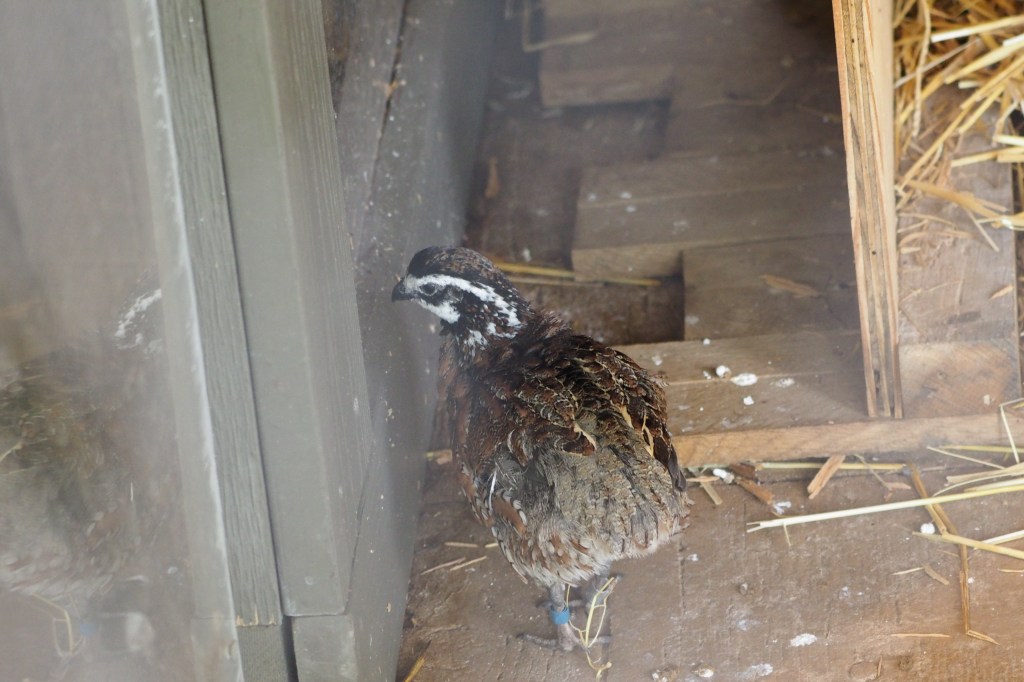
An example we discussed in class was the northern bobwhite quail. These small ground-dwelling birds nest in open, grassy environments. Often, in the modern human-dominated landscape of places like Virginia, this will mean agricultural environments. Therefore, farmers are usually the most relevant stakeholders in decisions that are made around the conservation of this species, since the presence of bobwhites, if they are legally protected, may affect the ways in which farmers are allowed to use their land. But there are other stakeholders in the case of these quails as well. Land developers are another major one, as the presence or absence of a protected species might determine whether or not they are allowed to build on a tract of land. And though much less consequential, birders who seek these cute little game birds are worth mentioning as well. For successful conservation efforts, all of the above must be able to reach a point of agreement. A video we were shown in class offered a look into how conservationists work with farmers in Virginia to help the latter find ways coexist with northern bobwhite quails.
A class activity we did this week was a simulated town hall meeting. To have it, we rented out a room in the actual local county government center. The meeting in question was to discuss whether or not a local tract of land spanning 28 acres of forest and wetland should be developed. Every student represented a different stakeholder, and when it was their turn to speak, they would explain why the group they were representing either would or wouldn’t support the development of the site. Stakeholders students represented included the developer themselves, a homeowner’s association, a nature protection organization, and the department of tourism, which was the one I personally portrayed. Ultimately, the meeting ended without a final decision being made, as the different stakeholders were unable to come to an agreement.
The topic of stakeholders is very relevant when talking about solutions to the global climate crisis, and we will go into more depth about that topic next week.

