This week, we began to learn more about the role that zoos, aquariums, and other facilities in which animals are kept in human care play in conservation. Ideally, it would always been possible to conserve wildlife in the wild and there would be no need to keep populations of wild animals in captivity. But that is not the world we live in. As human activity drives more and more species towards extinction, an increasing amount of species rely on captive (ex-situ) populations for their long term survival. In class, we discussed some specific examples of such species that the SCBI works with.
One of these is the black-footed ferret, which was driven to the brink of extinction by the persecution of prairie dogs, their main food source, as well as disease, by the 1980s. The very few remaining individuals were taken into captivity and bred by institutions such as the SCBI, and the species has since been reintroduced into the wild. While no longer extinct in the wild, the species is still endangered and faces ongoing challenges in its natural habitat, mainly disease. As such, the Smithsonian continues to work with the species, trying to find ways to better vaccinate wild ferret populations and continuing to breed them for release at the SCBI.
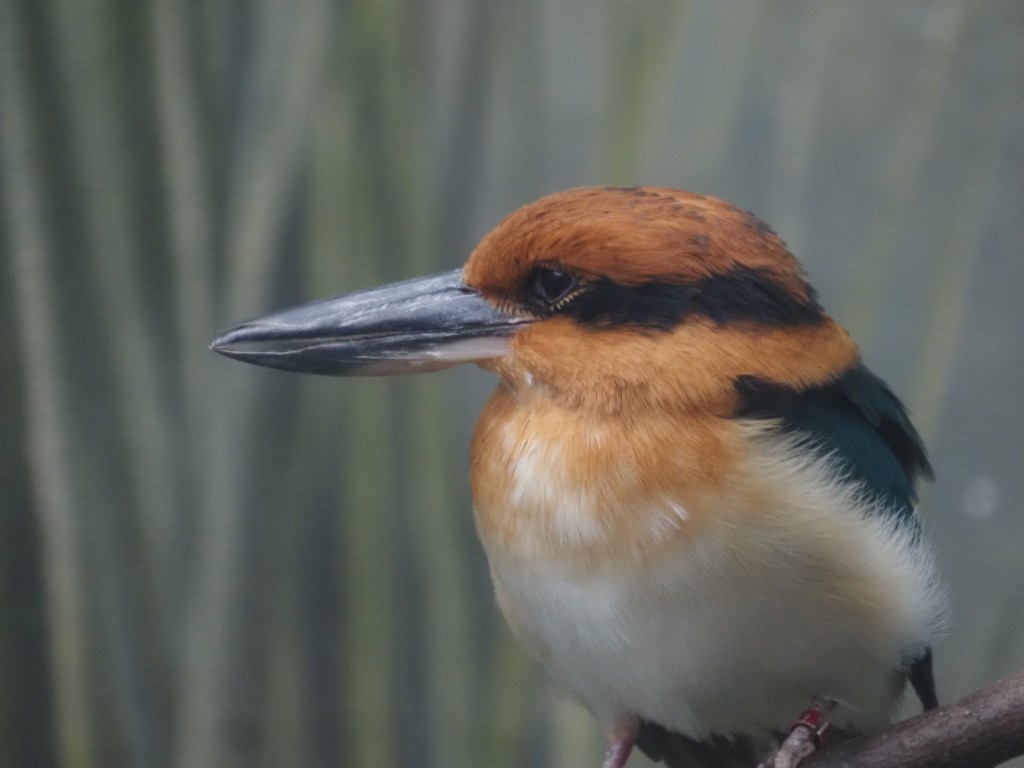
Another highlighted species in our lessons this week was the Guam kingfisher, known in its native range as the sihek. These kingfishers (which actually eat primarily land-based prey like mice, small reptiles, and insects instead of fish) were completely wiped out on their native Guam as a result of the accidental introduction of the brown tree snake. Thankfully, also back in the 1980s as the species was on the brink, some were taken into captivity and an insurance population was successfully created. Unfortunately it is not currently feasible to reintroduce sihek to Guam as the brown tree snake is still numerous there (although efforts are being made to eliminate them), but on a nearby island that lacks the snakes, the SCBI has just in the last few years begun efforts to establish a wild population of this species using captive-bred individuals. This new population will hopefully be able to produce wild kingfishers that can in the future be reintroduced to Guam after the danger from the brown tree snakes is diminished. So far, the now-free-living kingfishers have taken well to life in the wild, successfully hunting and even breeding (although unfortunately not without some fertility issues), with eight of the nine individuals released in 2024 still alive at the time of writing, and a further six are planned to be released in the next few weeks.
This week, we went behind the scenes at the SCBI to see some of their animal care facilities, including the Small Animal Building where we saw some of the aforementioned Guam kingfishers and Cheetah Ridge, where they keep some of their… well, it’s in the name. However, the SCBI prefers to keep a lid on how much media is shared online of their animal faculties, so I will not be sharing any photos of those here.
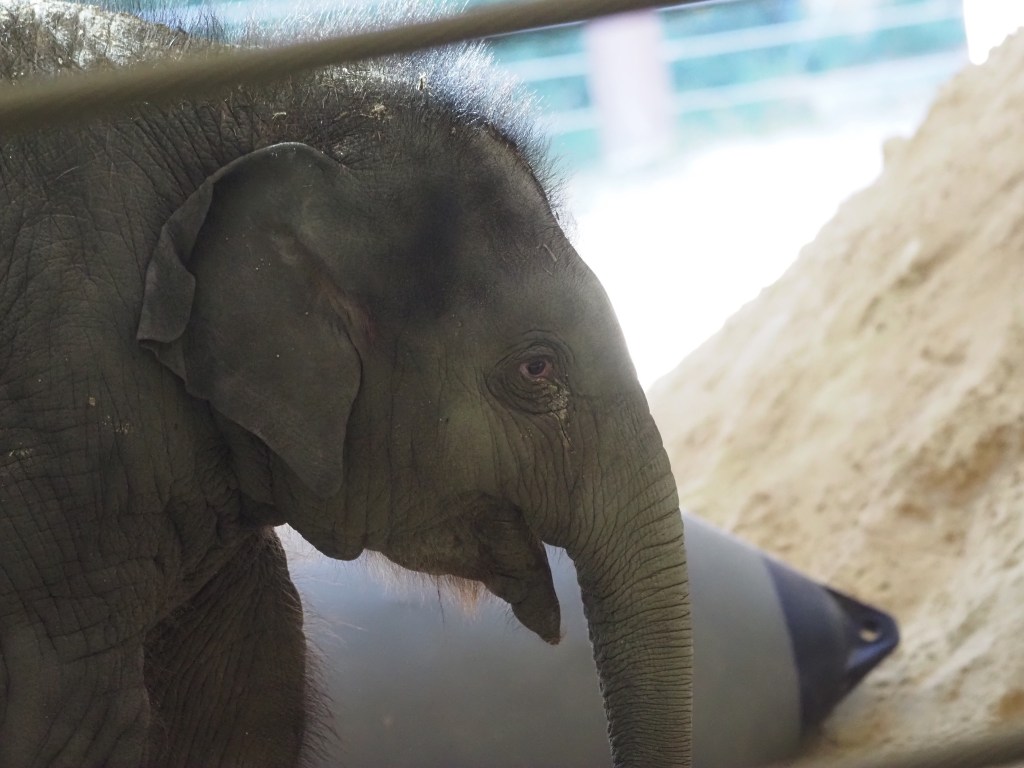
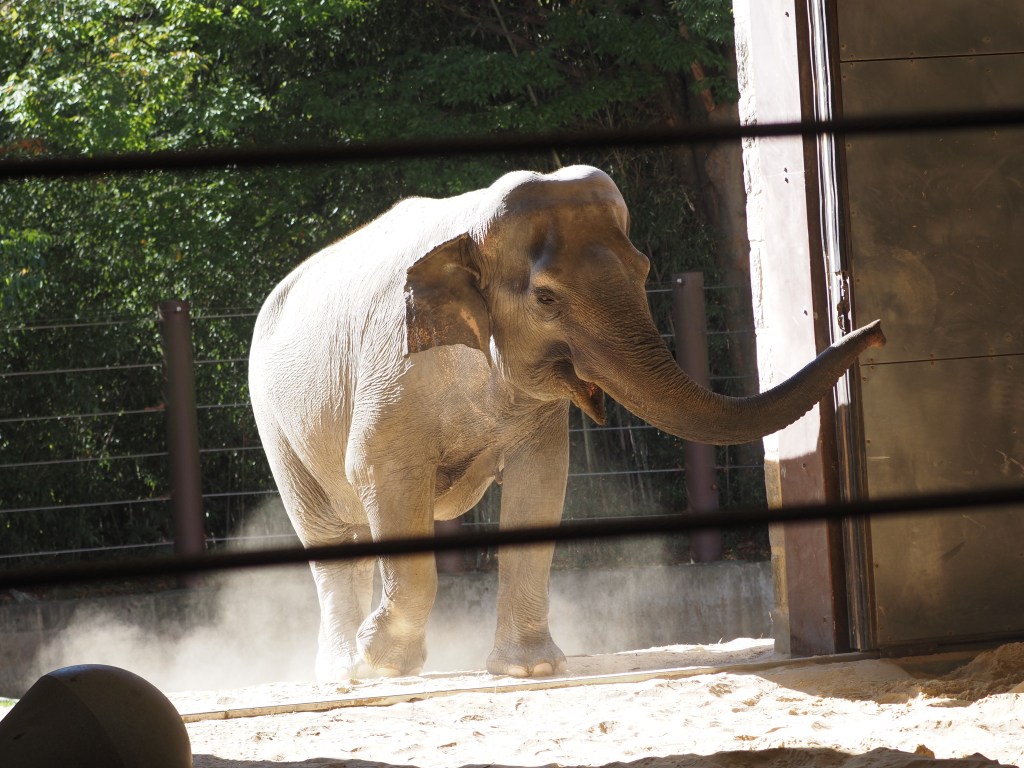
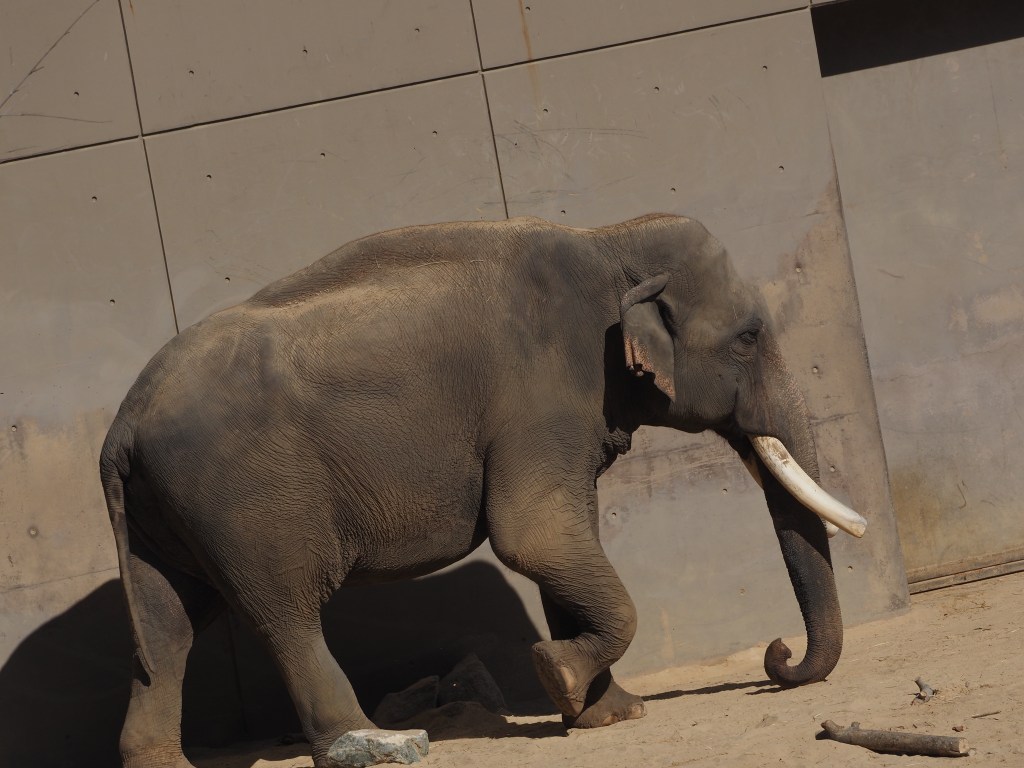
We also went behind the scenes one day this week at the Smithsonian National Zoo in Washington DC, an approximately two-hour drive from the SCBI. We first visited the Commissary to see firsthand how the diets that are given to the thousands of individual animals across hundreds of species are prepared. Next we went to the Small Mammal House, where we saw some of the backstage area and also met three ambassador animals that the keepers brought out – a three-banded armadillo, a lesser hedgehog tenrec, and a screaming hairy armadillo. Finally, we toured the elephant barn to learn about how the keepers manage the nutrition and well-being of the zoo’s herd of seven Asian elephants. Due to the fact that these facilities are not public-facing, however, I am once again not permitted to share photos of them. However, enjoy below some photos of the elephants in their public habitat.
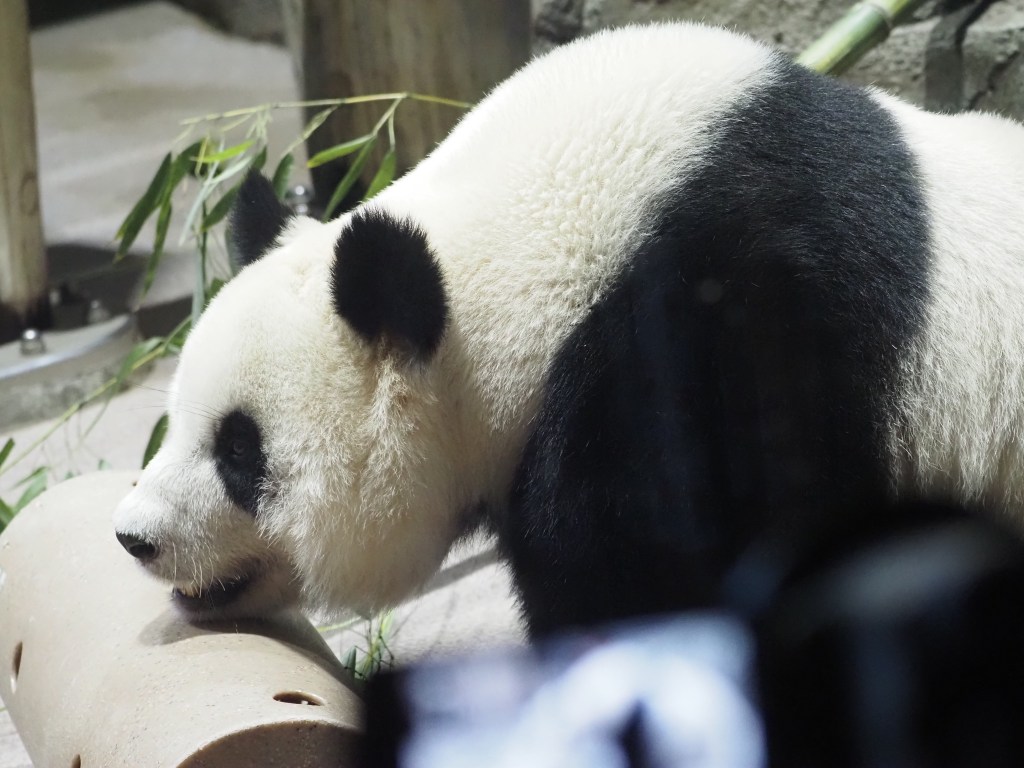
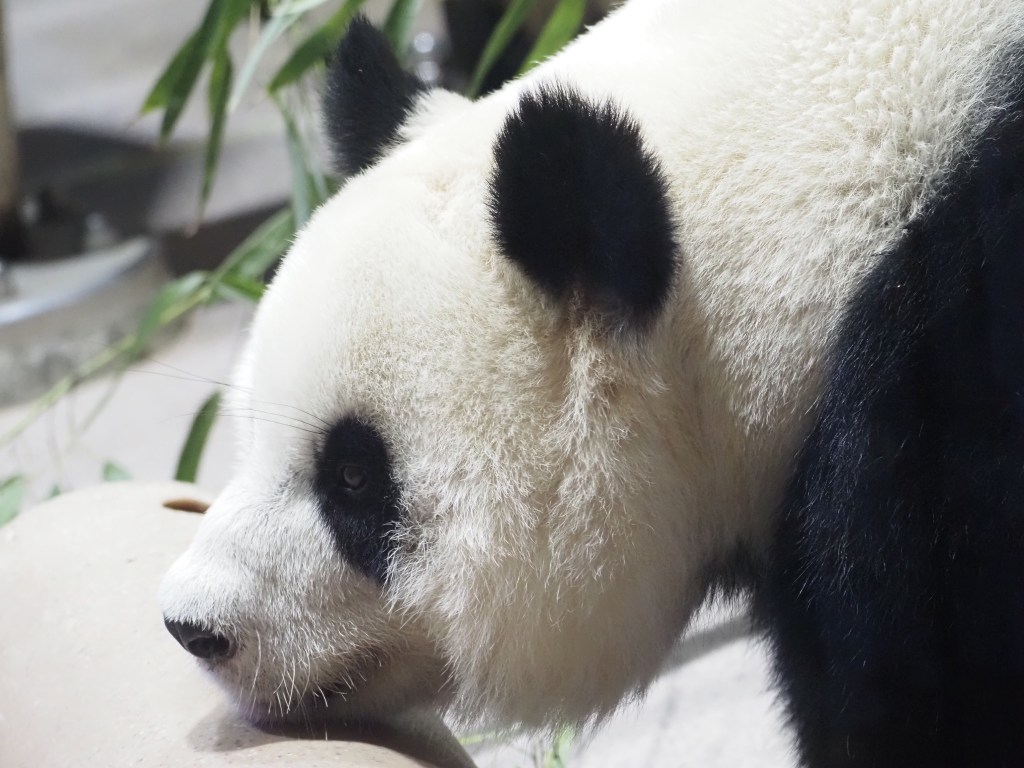
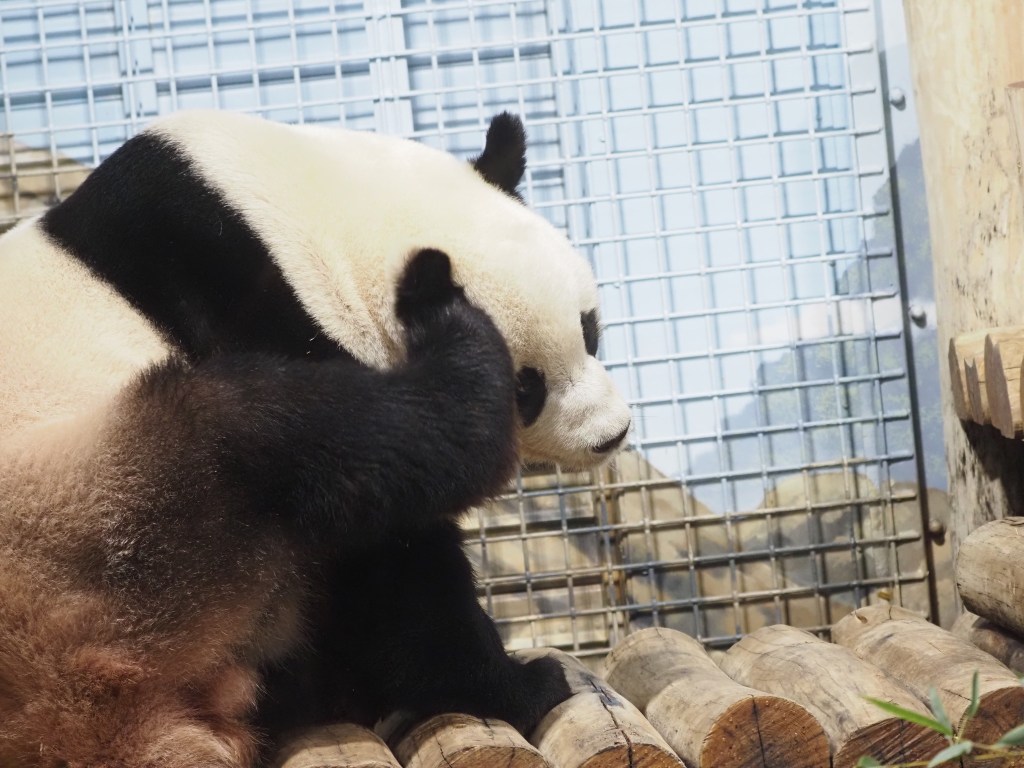
Between the tours at the Small Mammal House and Elephant Community Center and after lunch, we also had some free time to explore the rest of the zoo. My number one priority for this was seeing the giant pandas, which was at the only bear species I had not yet photographed (I had actually been to the National Zoo once before, but this was in 2024 during the zoo’s relatively brief recent hiatus from housing the species). And the pandas did not disappoint! The first time I came by their exhibit, which was between our aforementioned second and third tours, but when I came back after lunch, both were awake and I got some good activity from one in particular who I saw in both their indoor and outdoor space!
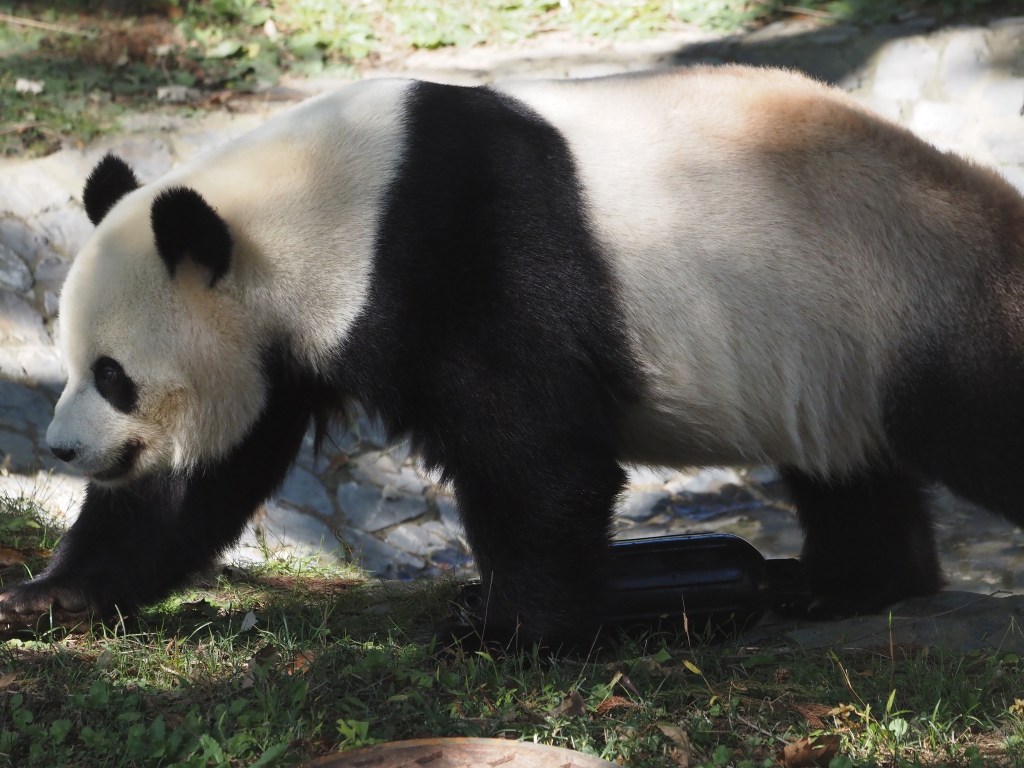
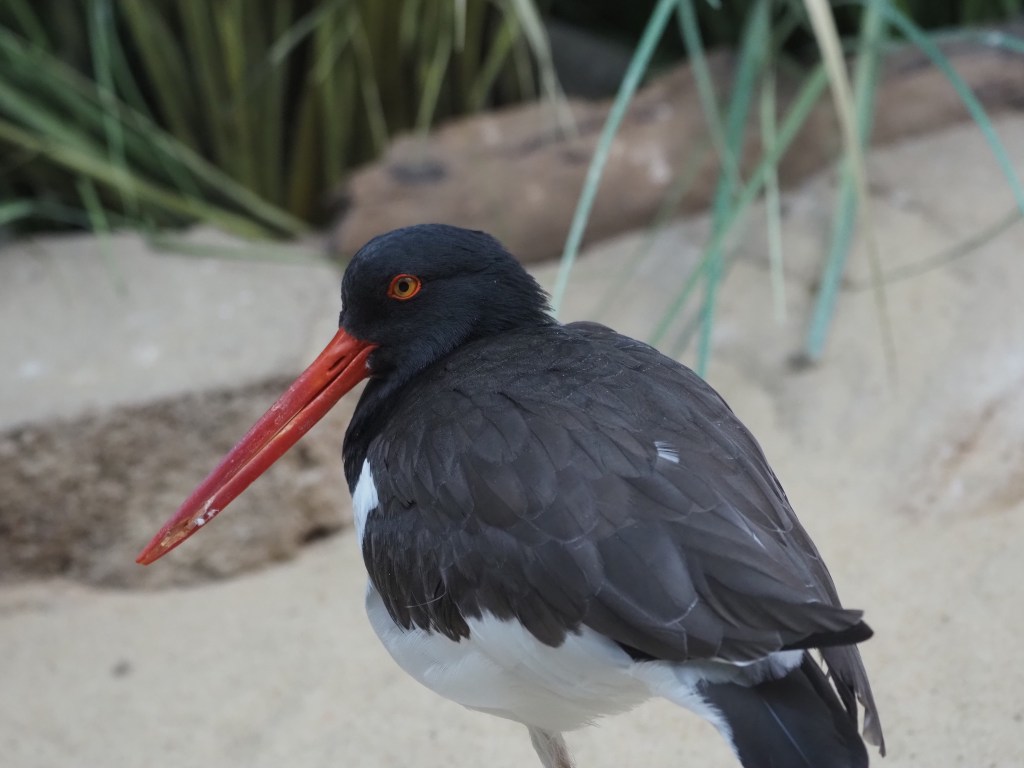
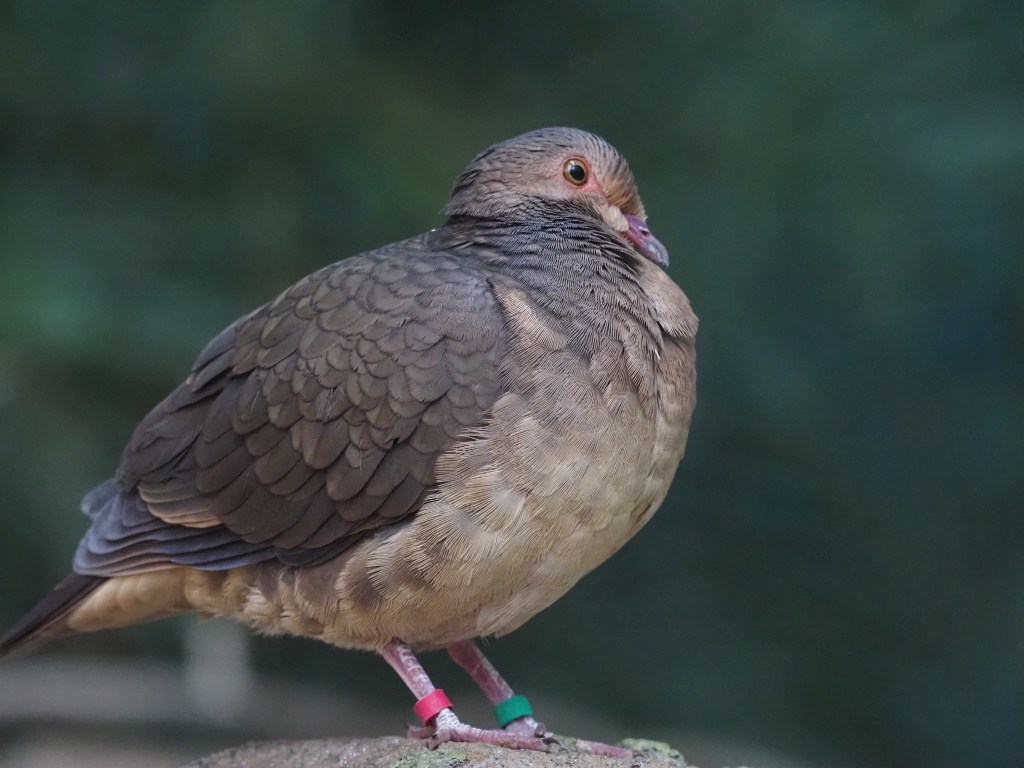
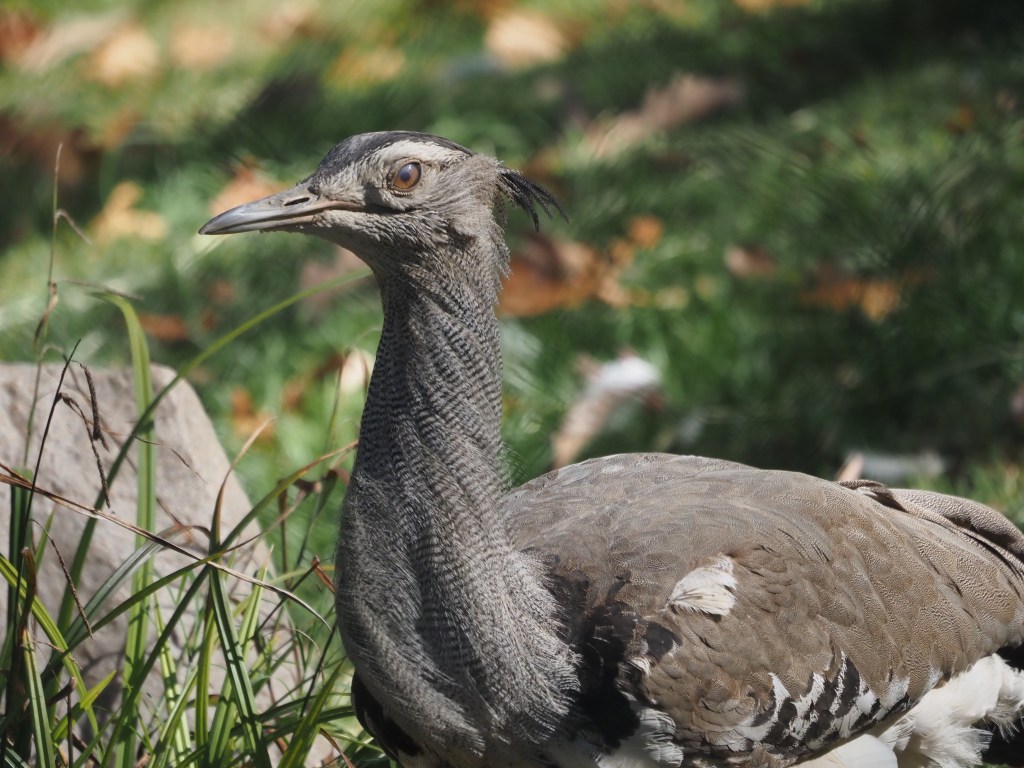
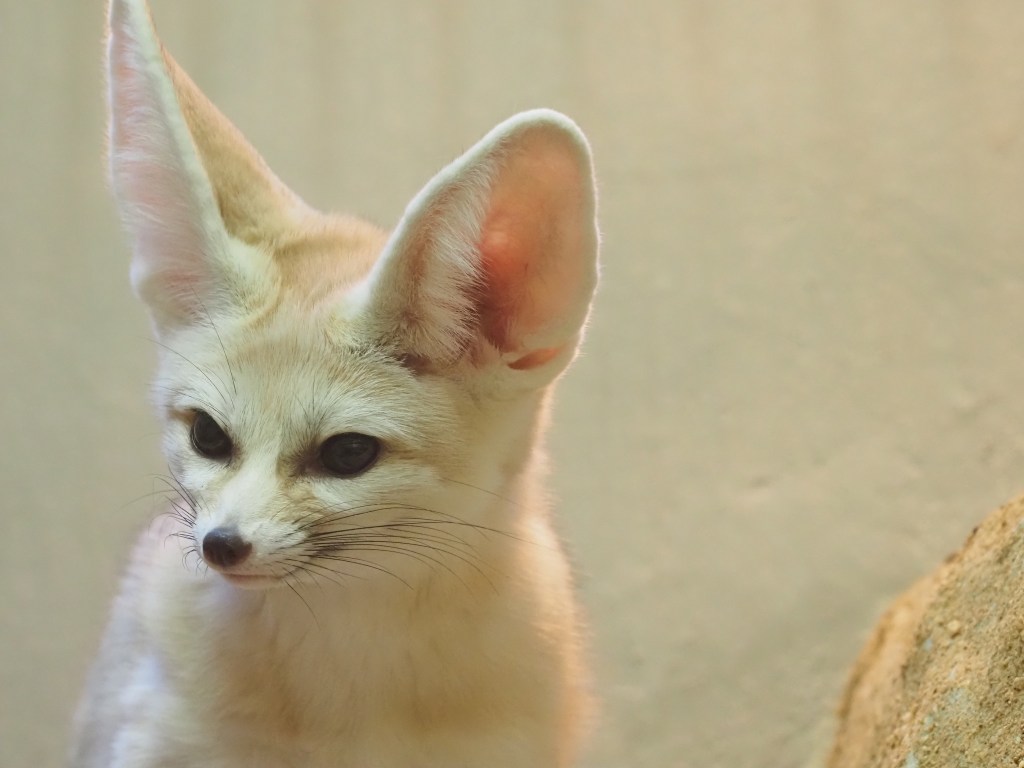
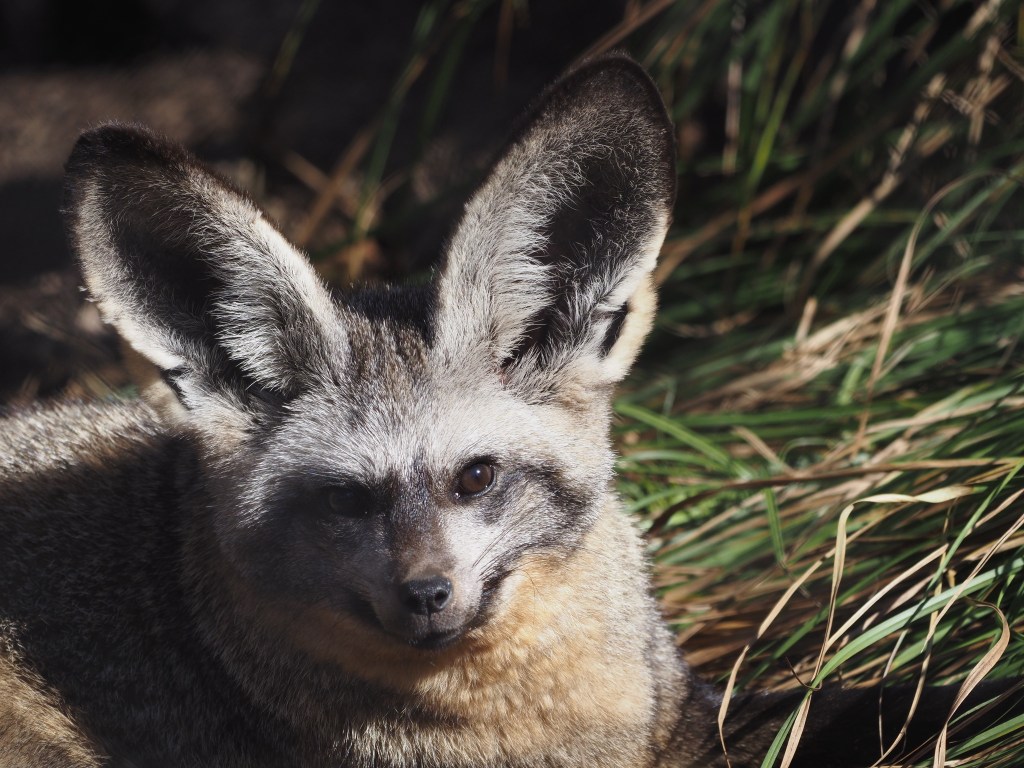
Besides the pandas, I was also able to photograph many of the other species the National Zoo keeps on public display. Below are some of the highlights!
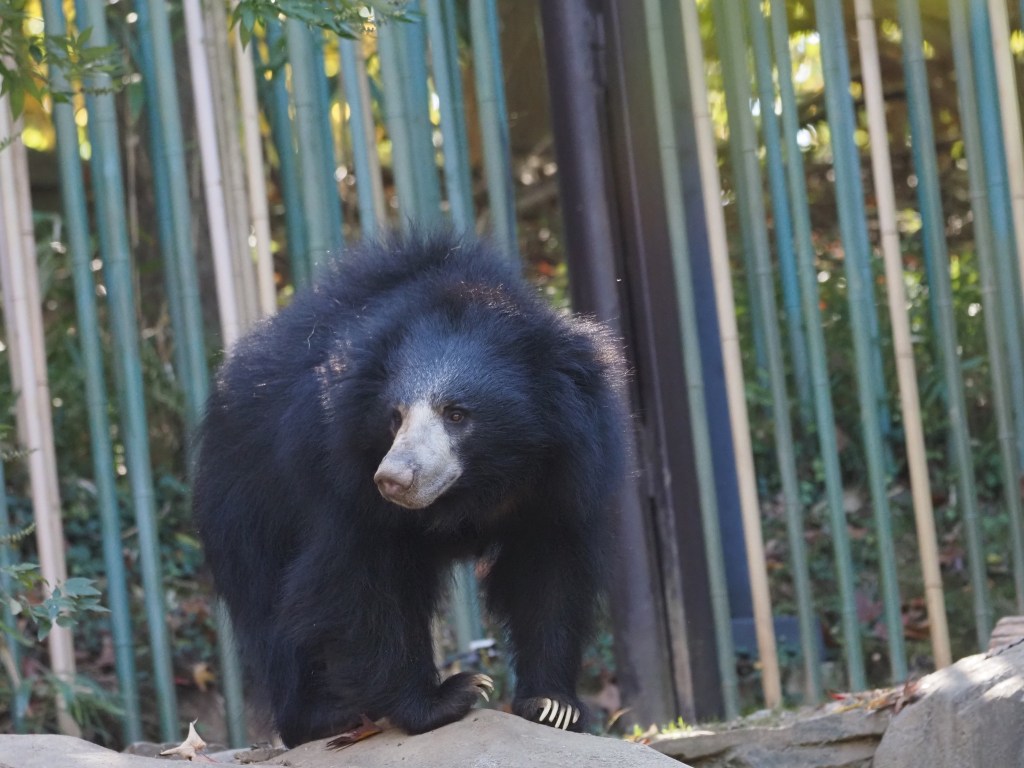
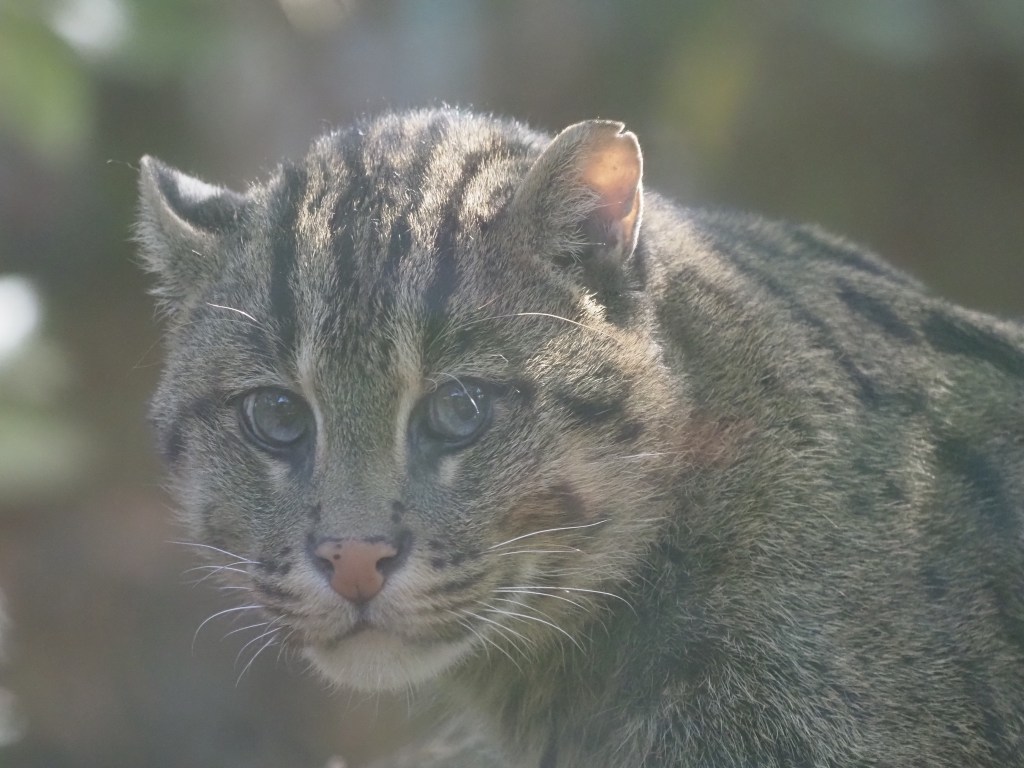
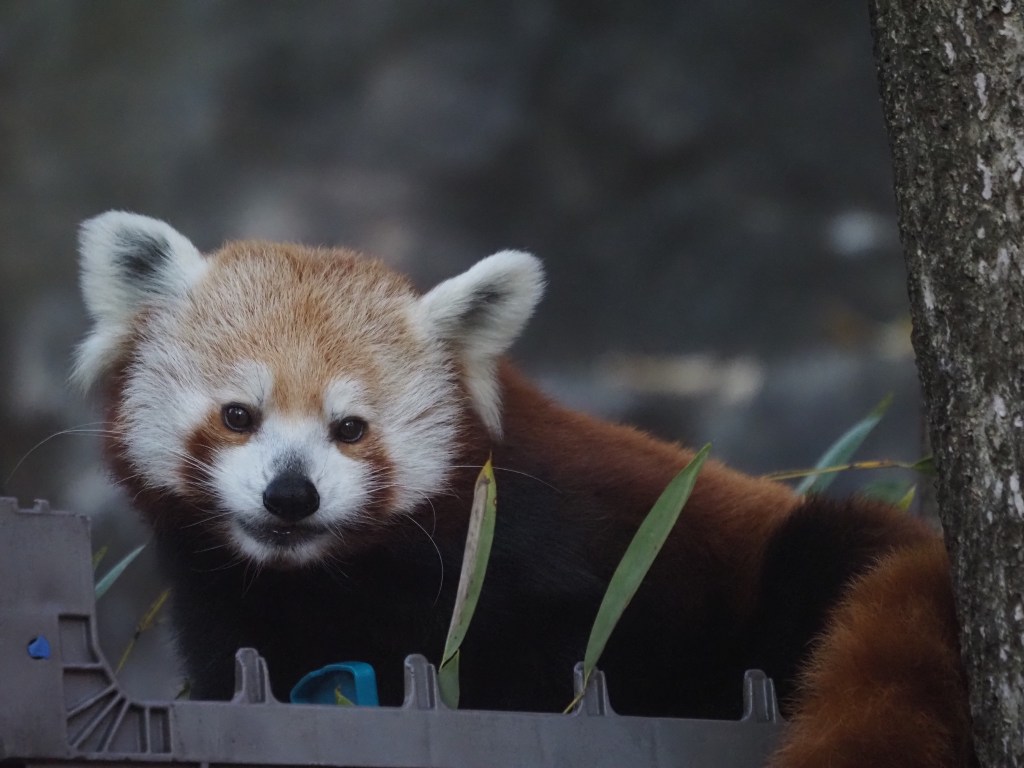
Overall, this week was quite a fun experience learning about the roles zoos play in conservation and getting to see some of that work firsthand! I look forward to continuing to explore this topic over the coming weeks, including with a field trip to the Maryland Zoo we have planned for next week!

