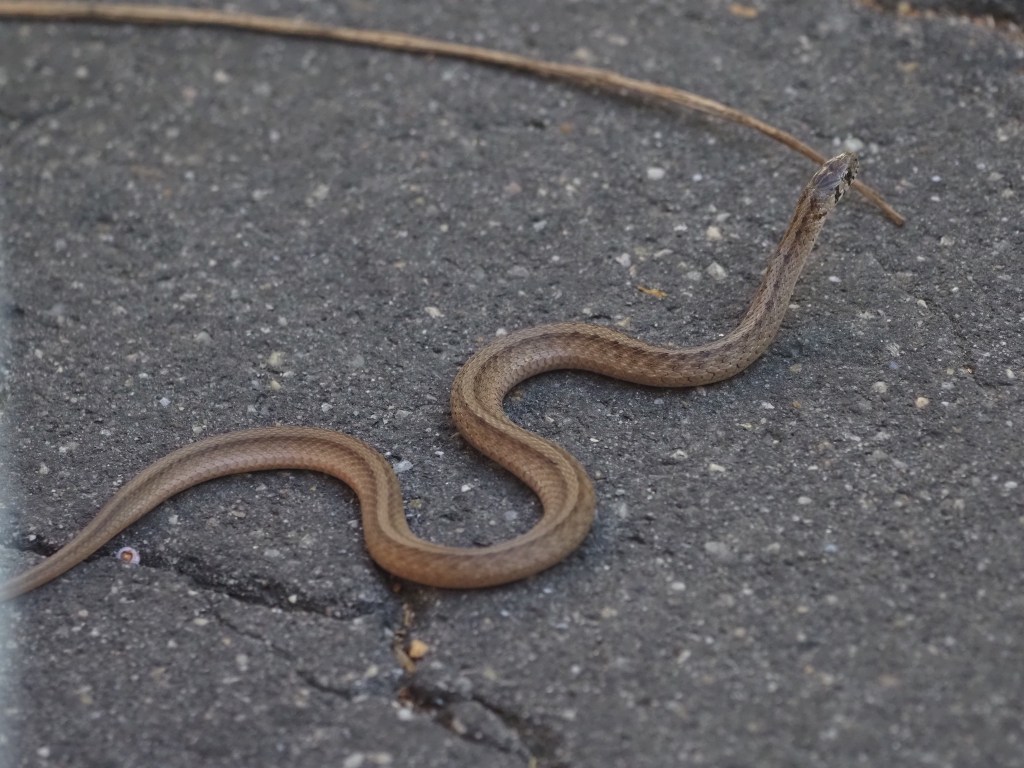
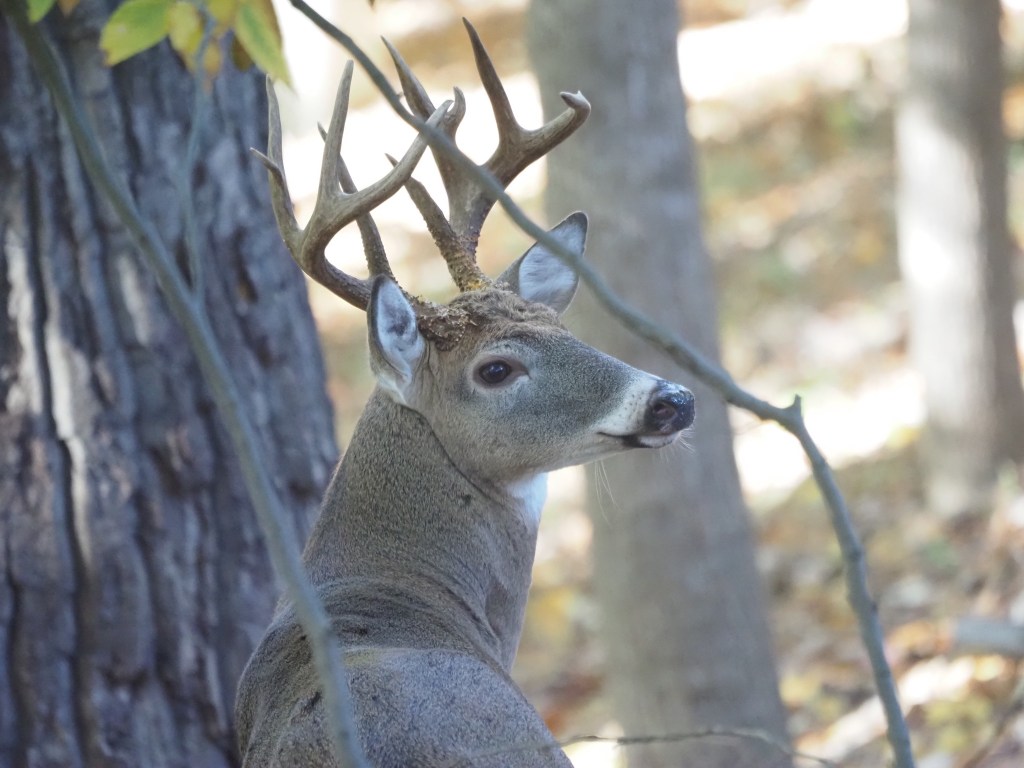
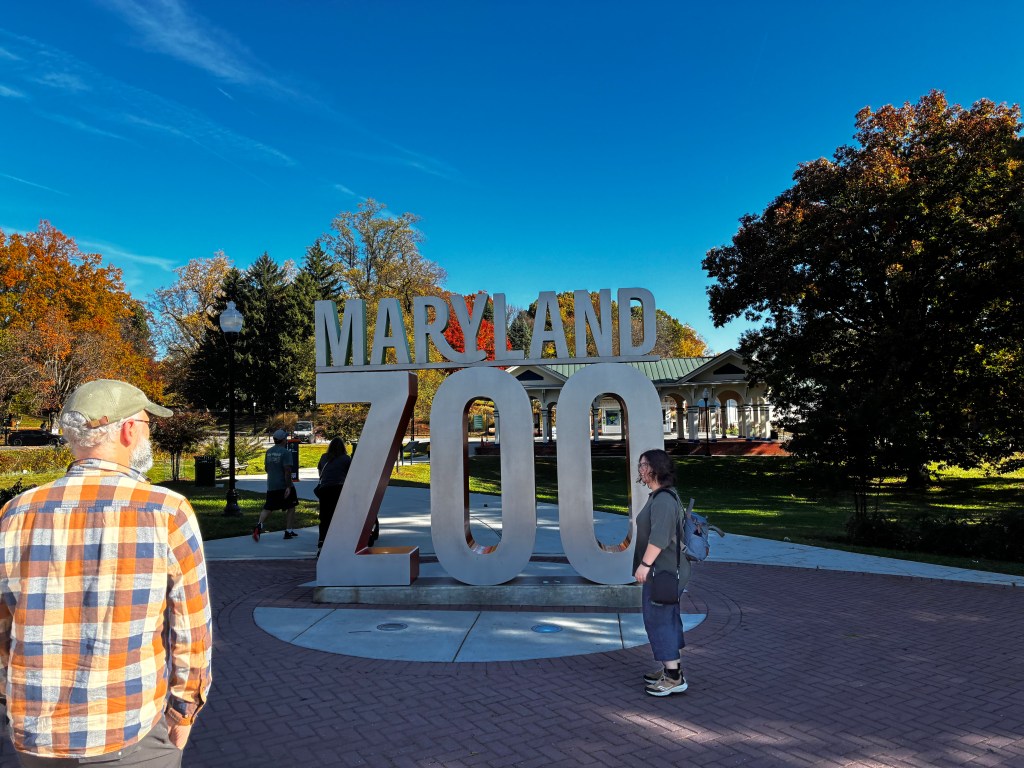
This week, we visited another AZA-accredited facility, The Maryland Zoo in Baltimore, where we learned about their own conservation efforts, as well as how they monitor the wellbeing of their animals and a bit about the zoo’s history.
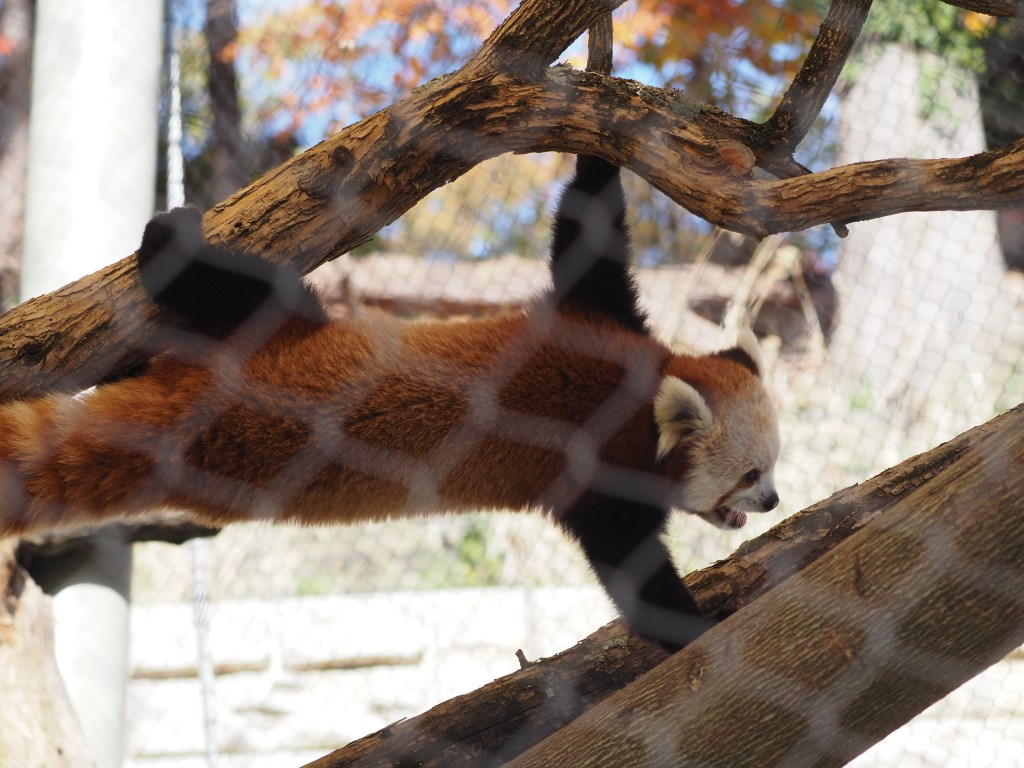
After going to a public keeper talk at the red panda habitat, our guide led us to the zoo’s animal hospital. There, we went behind the scenes to the respective rooms where they keep two of their species they are breeding for reintroduction into the wild: the Allegheny woodrat and the Panamanian golden frog.
The Allegheny woodrat is a species native to Maryland that is declining for several reasons and as such is listed as Near Threatened by the IUCN. They are fatally impacted by raccoon roundworms, so as raccoons have proliferated following human alteration of landscapes, this has led to more of the woodrats being infected by the parasite. Since American chestnuts were historically a major food source for them, chesnut blight is believed to be a factor as well. Furthermore, they are dependent on forest habitats and so destruction and fragmentation of these has also been detrimental. The Maryland Zoo is one of several zoos that is participating in the captive breeding and reintroduction program for this species. The keepers who showed us their woodrats also talked about their care — what feeding and enrichment looks like for them and when they pair the normally solitary rodents up to mate. They shared about the trials and tribulations of getting them to breed and even shared with us a video of them finally doing the deed late at night. Due to the behind-the-scenes nature of this project, I am unfortunately not allowed to share any photos here.
The Panamanian golden frog now only exists in human care, having been rendered extinct in the wild by the deadly chytrid fungus. Thankfully, there is a robust captive breeding program, and The Maryland Zoo is at the head of the North American program. As the frog keeper shared, the zoo has been so successful at breeding the frogs that they alone house between 500 and 600 individuals! Researchers from the zoo are working with experts in Panama to figure out the details of a reintroduction of the frogs into their natural habitat, which they plan on carrying out in the near future.
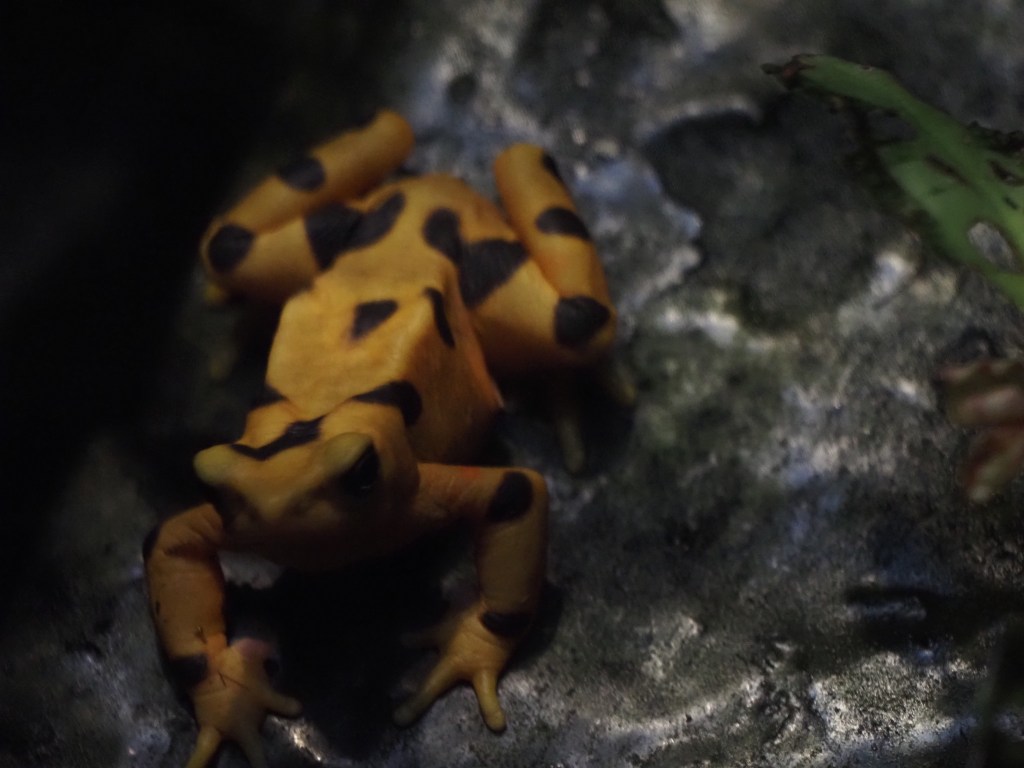
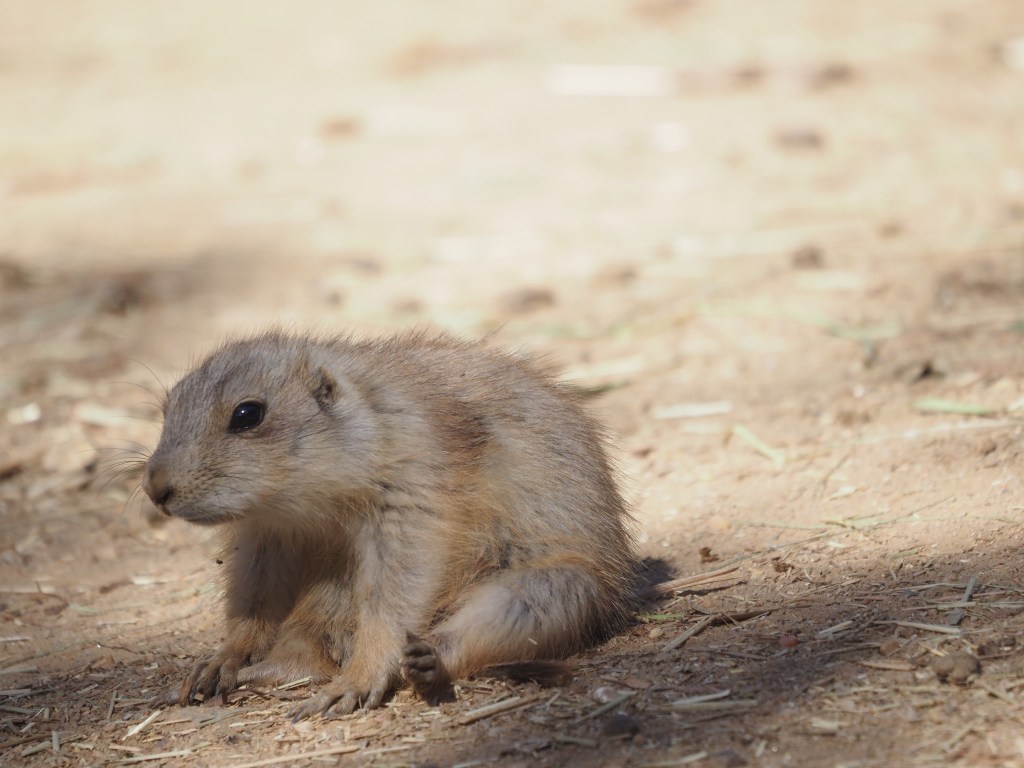
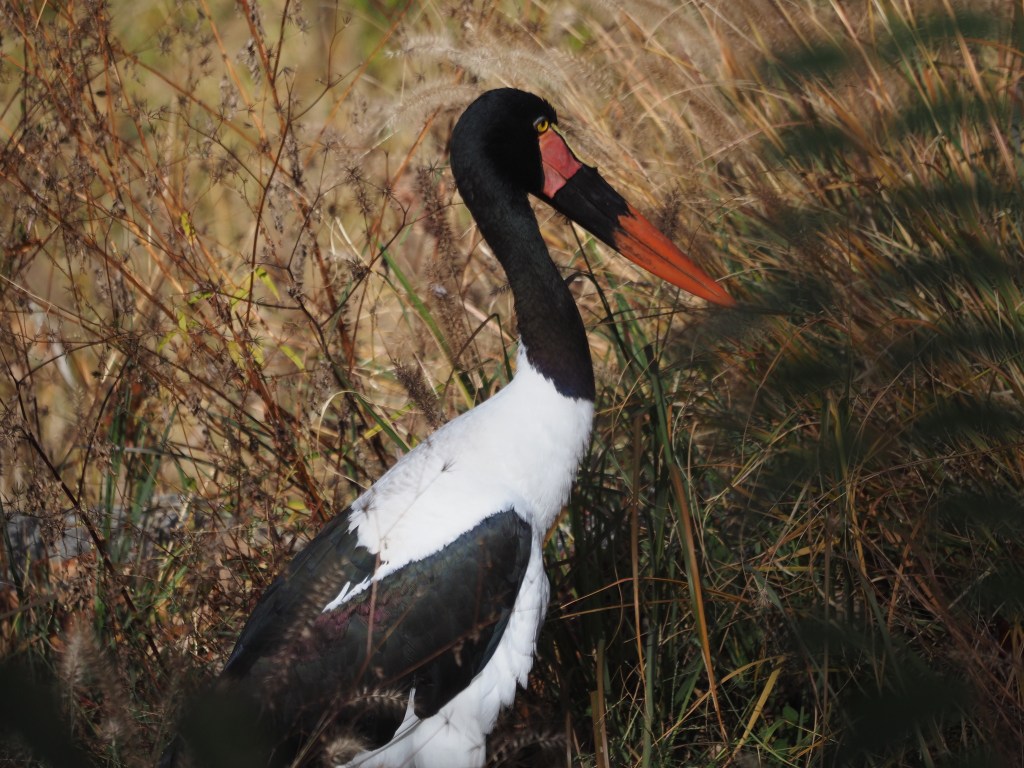
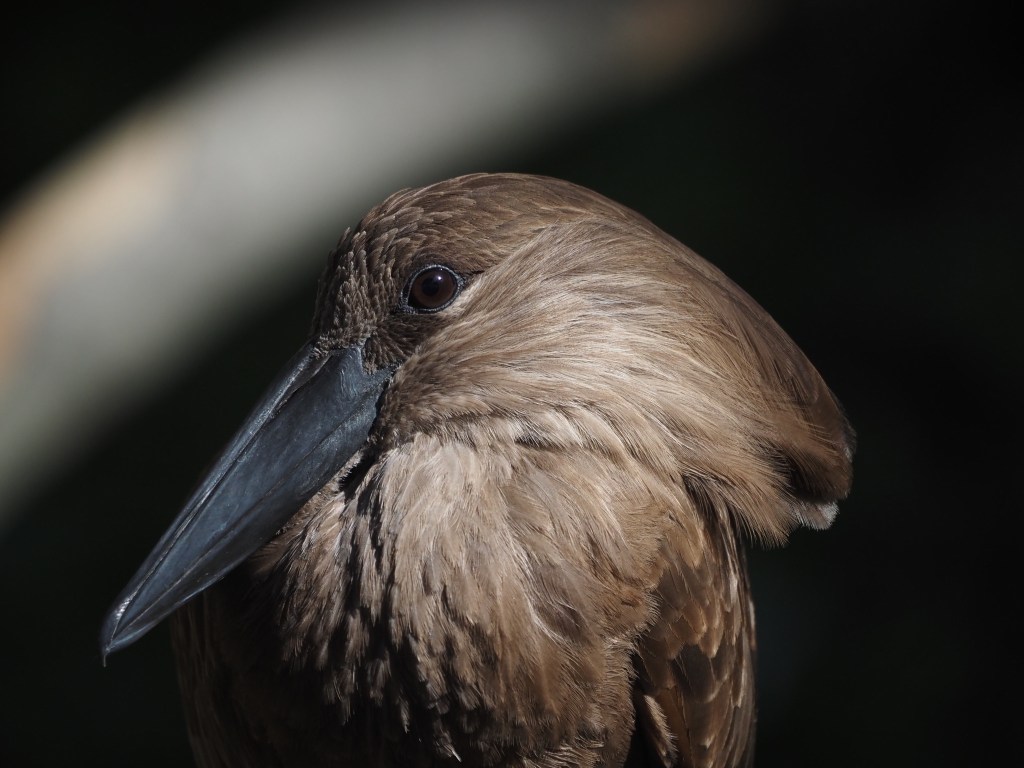
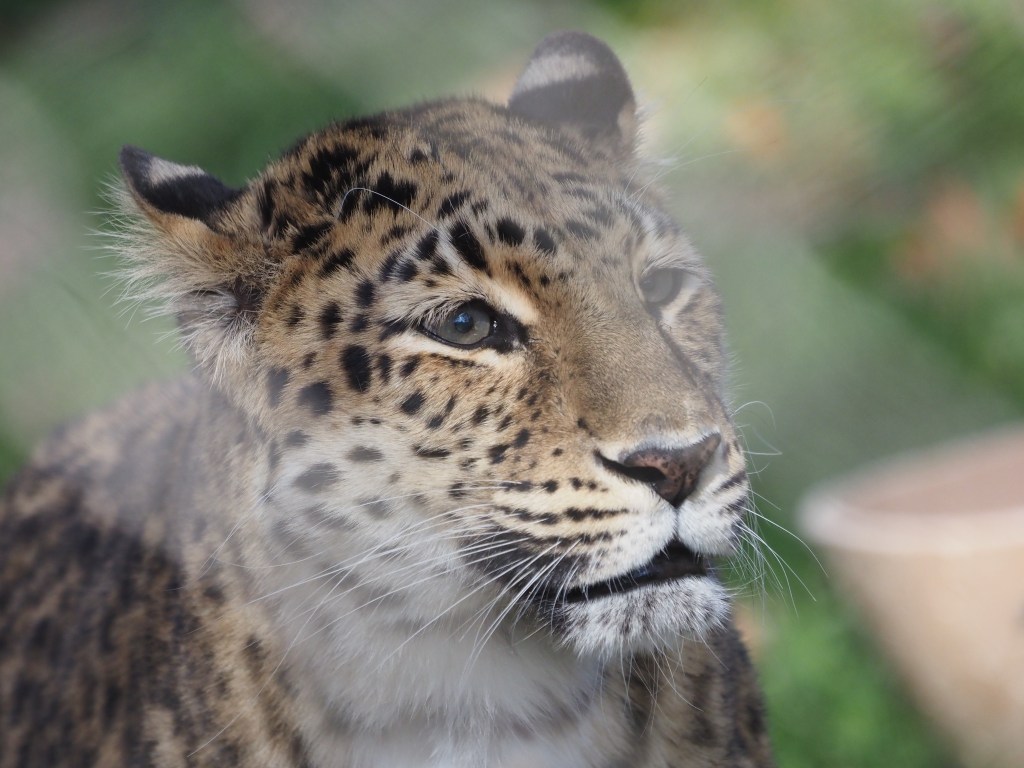
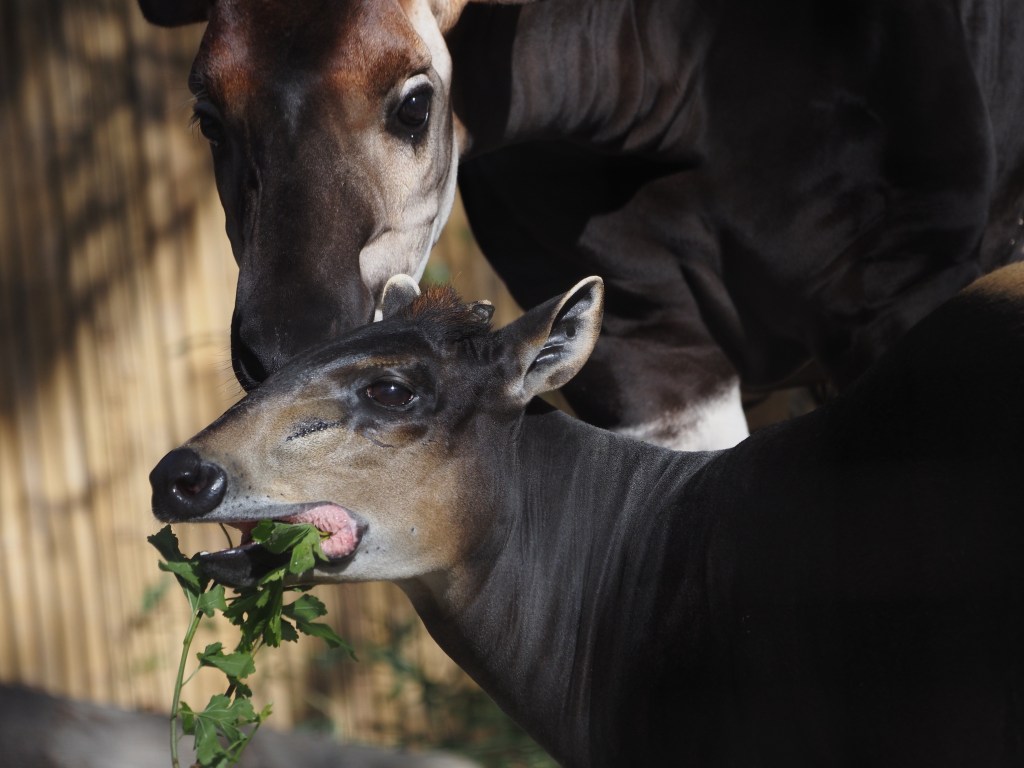
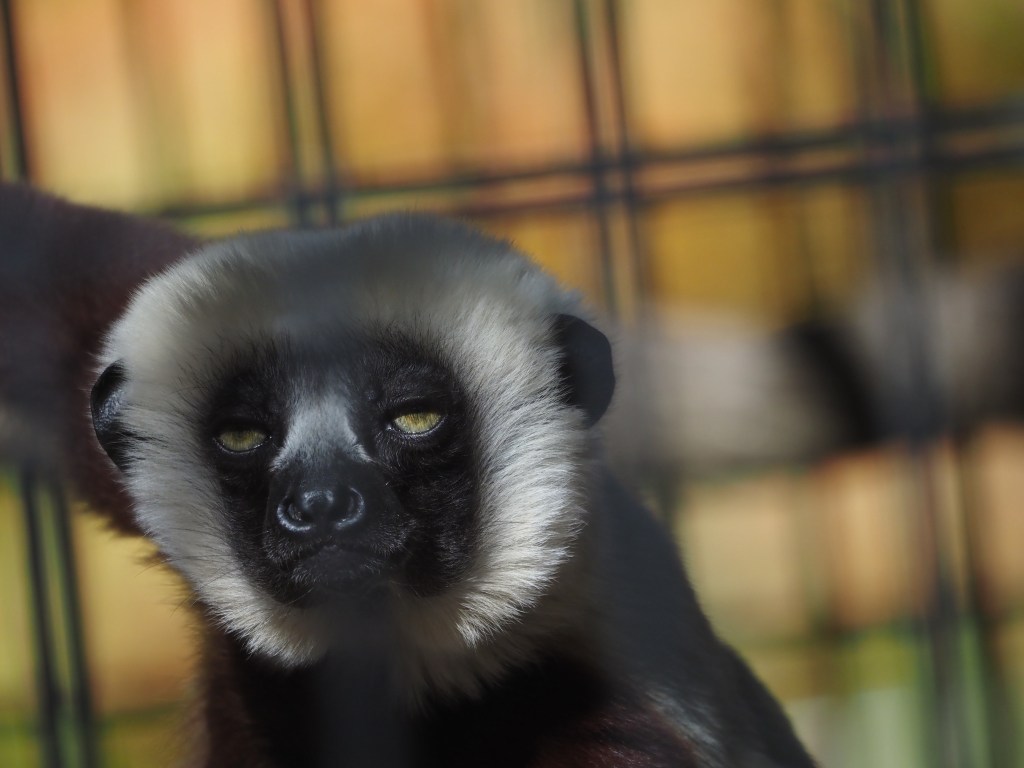
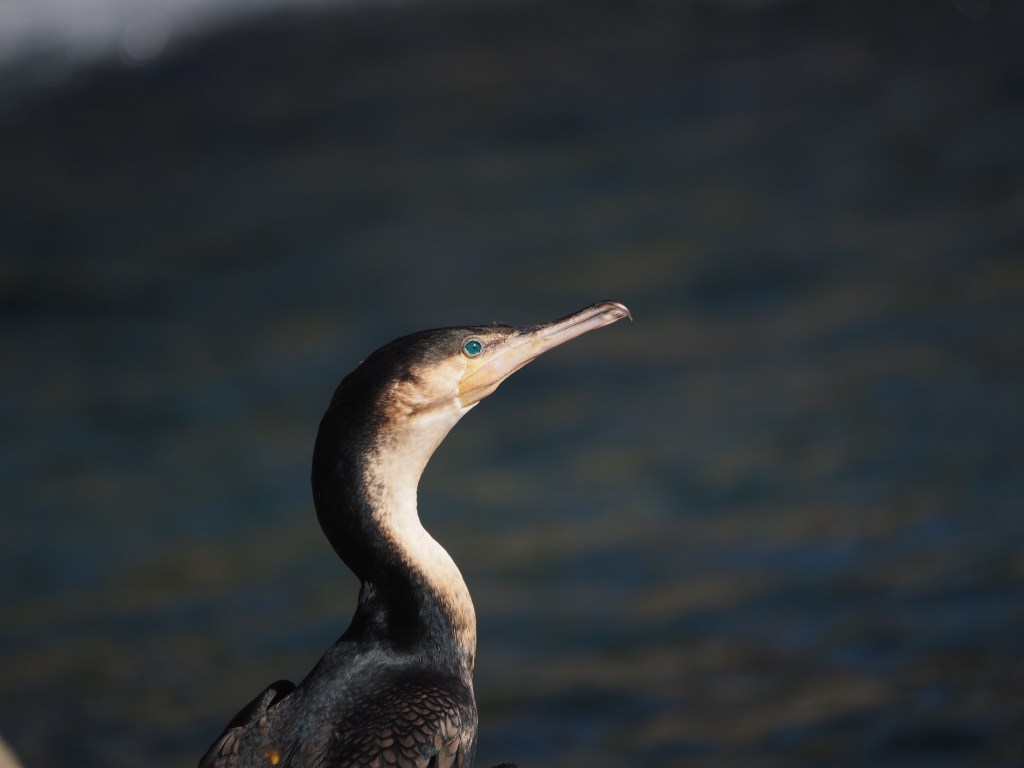
After the behind-the-scenes breeding program tours, us students had approximately an hour and a half to wander freely around the public areas of the zoo. Below are some of my highlight photos.
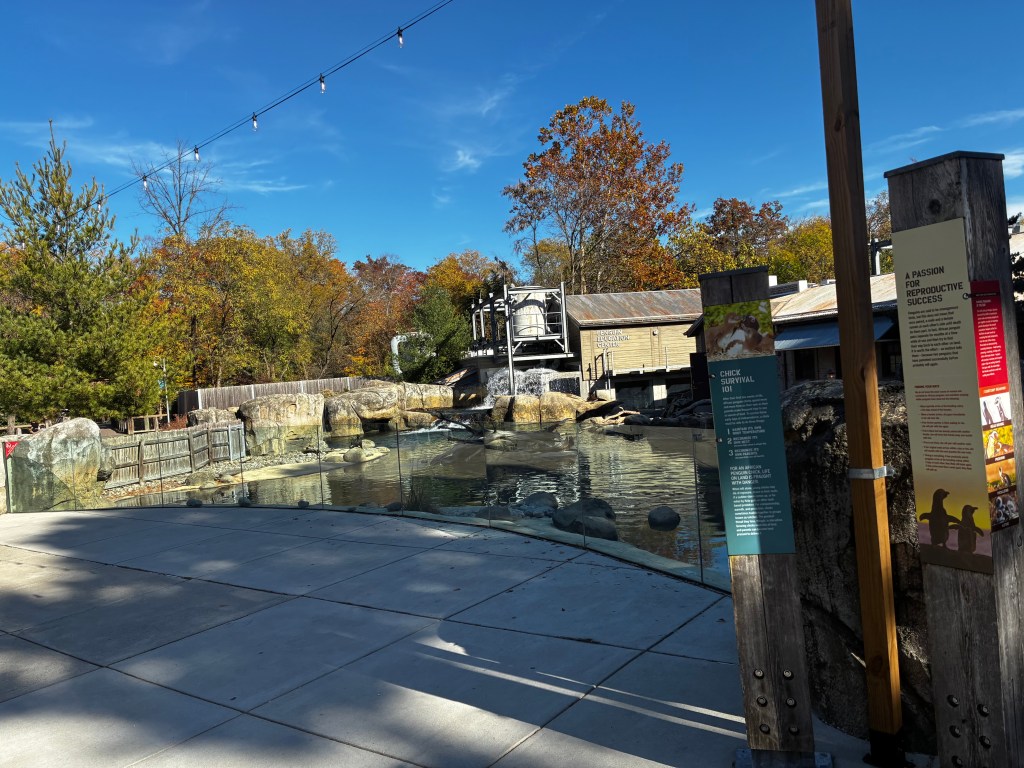
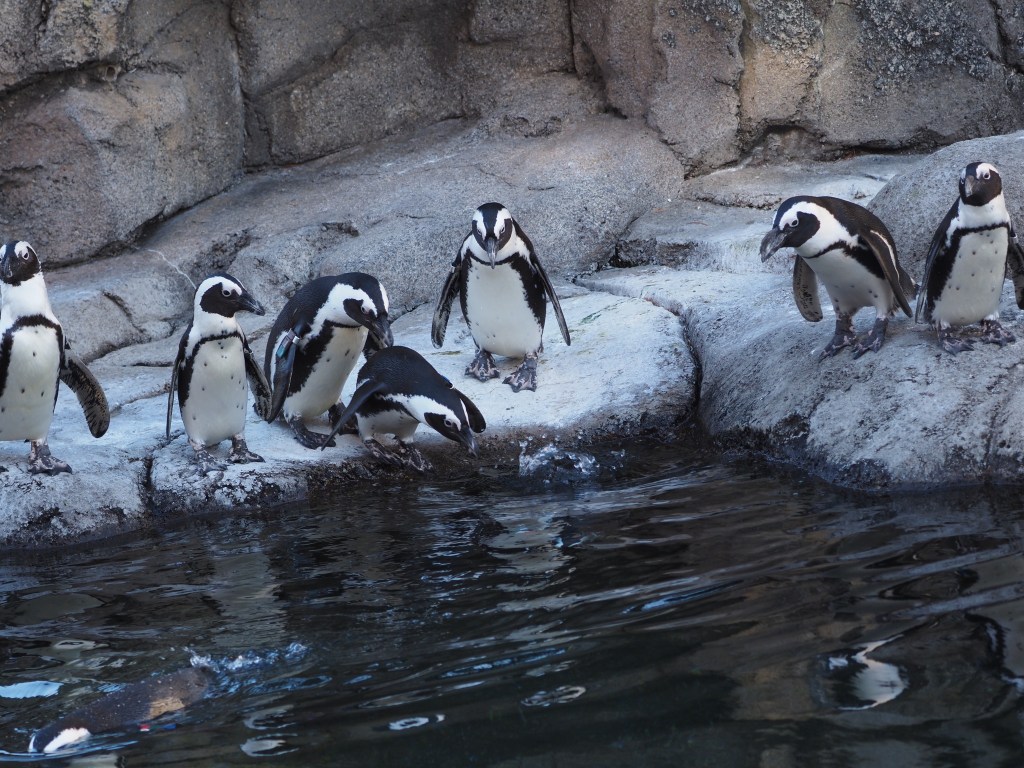
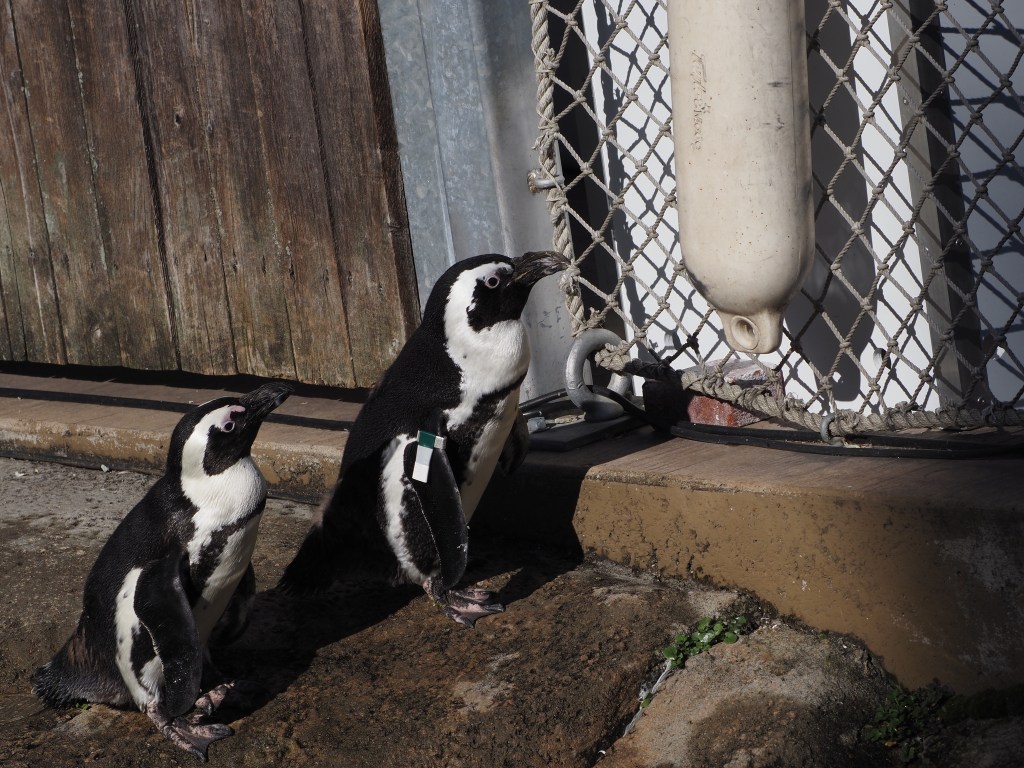
After our free time, we reconvened at the zoo’s African penguin habitat, which is one of the largest and most impressive of its kind. Here, we each got to throw a few fish to the eager seabirds. Unfortunately I do not have any photos of me or the other students actually feeding the penguins, so you’ll just have to trust that it happened. The zoo has had enormous success breeding this species and has a colony of more than 80, which is definitely good since African penguins are critically endangered in the wild.
We were next led behind-the-scenes again, this time to the zoo’s behavior lab. Here, thanks to a network of cameras, they are able to monitor what the zoo’s animals are up to around the clock, even when no one is watching. In particular, they are interested in how much time animals spend doing what and its implications for their welfare (for example, how much are they engaging in natural behaviors vs unnatural repetitive behaviors?). Our guide shared how monitoring their behavior has helped inform the decisions of the animal care team in working to further enhance animal welfare and encourage natural behaviors. For example, introducing a more varied, unpredictable diet led to a dramatic decrease in their brown bears pacing (an example of an unnatural repetitive behavior). Unfortunately I am not allowed to share photos of the lab as it is another off-show facility.
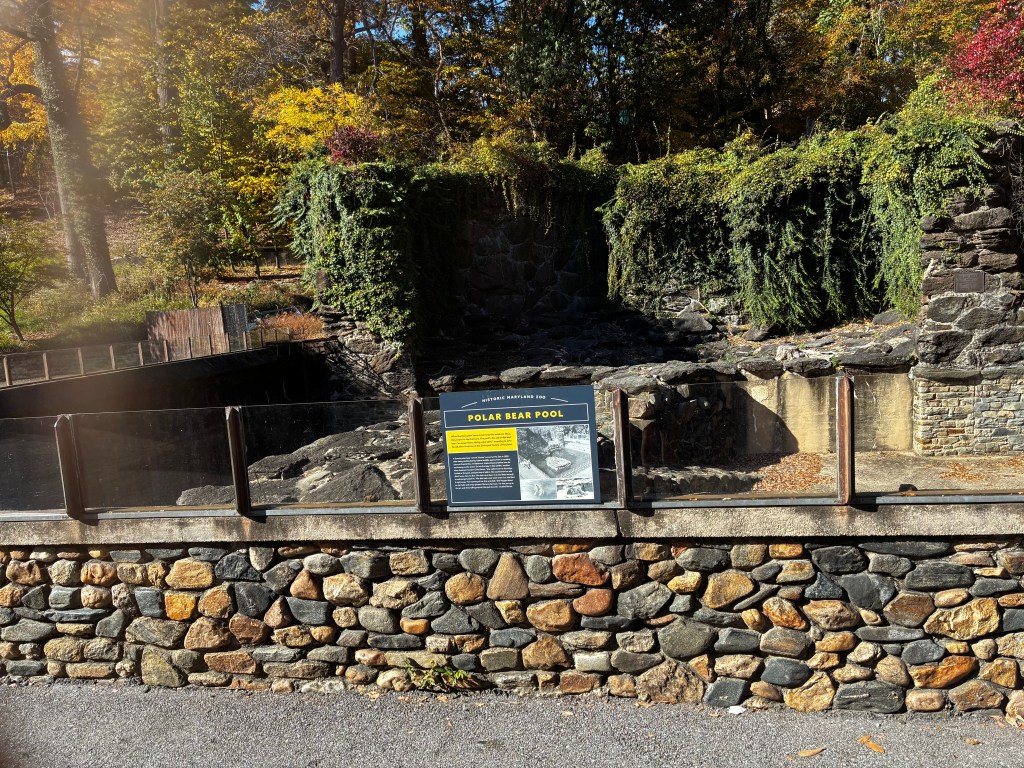
The final part of our visit was a tour where we learned about the zoo’s history. The Maryland Zoo in Baltimore is one of the oldest zoos in the US and celebrated its 150th anniversary this year, so there’s been quite a few changes over the course of its existence. Many older, now non-functional animal exhibits have been preserved as historical landmarks — easily the most I’ve seen in any American zoo.
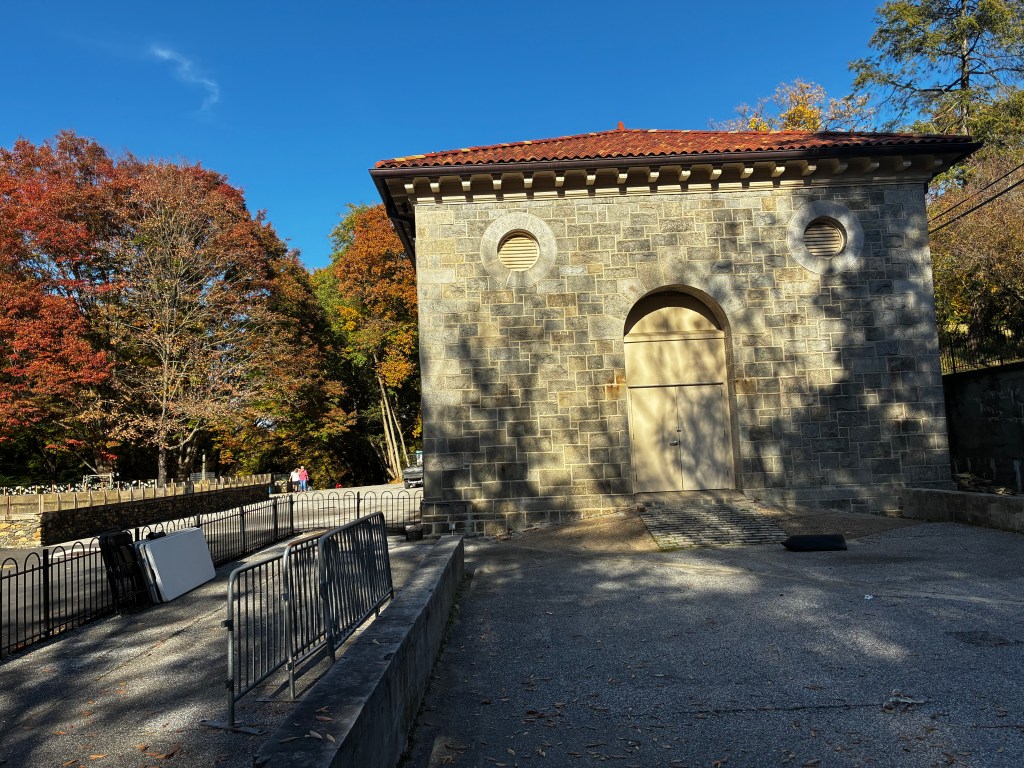
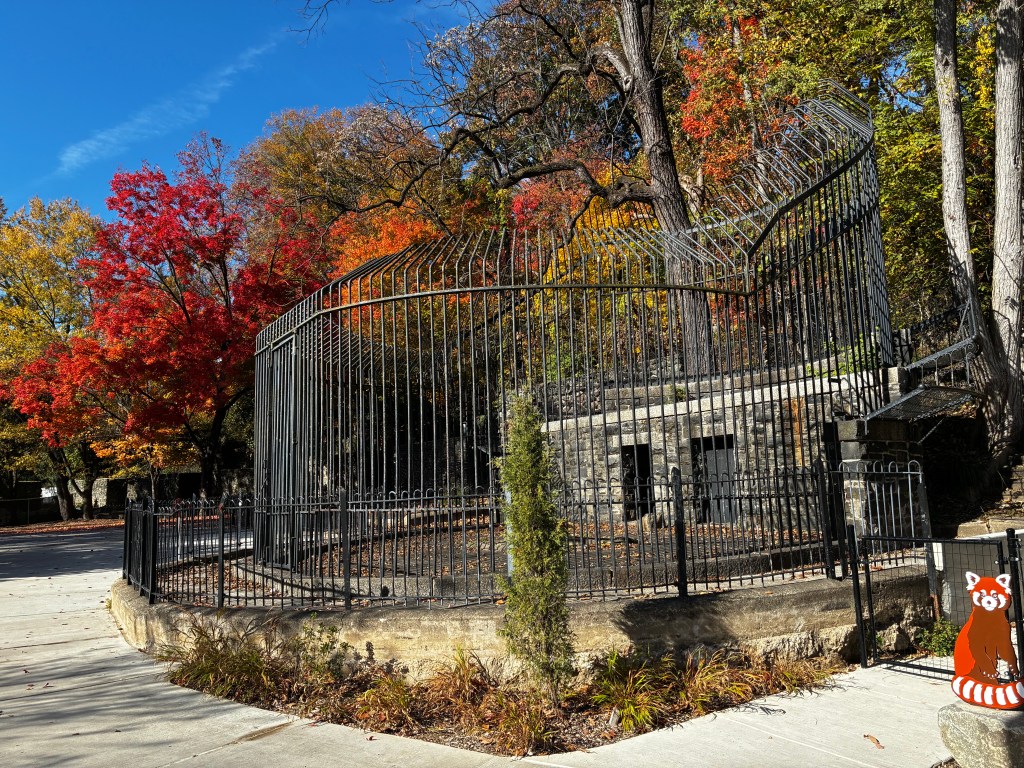
Overall, I am very grateful for the opportunity to visit the Maryland Zoo and go behind-the-scenes to learn about the zoo’s conservation efforts and animal care. Between touring their behind-the-scenes conservation breeding programs and the behavior lab and learning about the history of the zoo through its architecture, our visit provided a perfect illustration of how modern zoos have evolved from simply places where animals are kept where people to look at to centers of education and conservation of species, some of which, like the aforementioned Panamanian golden frog, only still exist because of their efforts.